
Lid Hygiene BlephaClean®
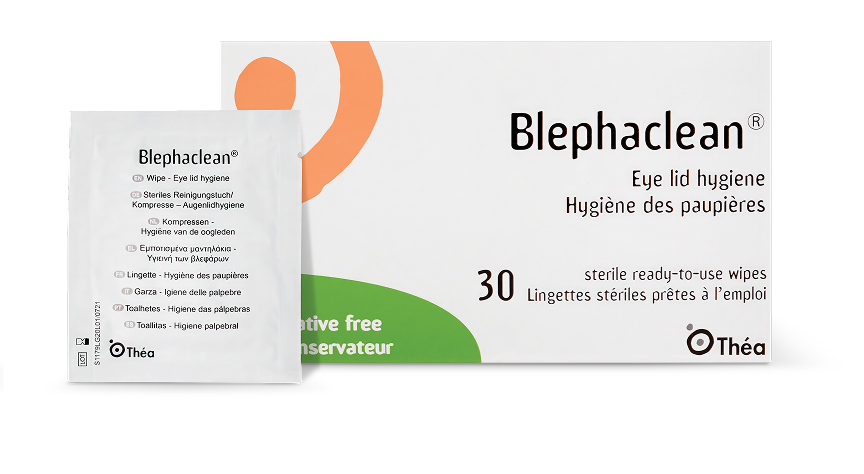
BlephaClean®
The only daily lid hygiene wipe with clinically proven antimicrobial properties.1
Trusted care
Effective and convenient
Sterile, individually wrapped sachets can be used at home or on-the-go, offering a convenient and hygienic solution for maintaining daily lid hygiene.
Gentle on skin
BlephaClean® wipes are formulated without preservatives, parabens or perfumes. The soft gauze pads are safe to use for infants as young as 3 months old.
Use BlephaClean® every day—morning and night—as part of a lid hygiene routine for those diagnosed with Dry Eye Disease.
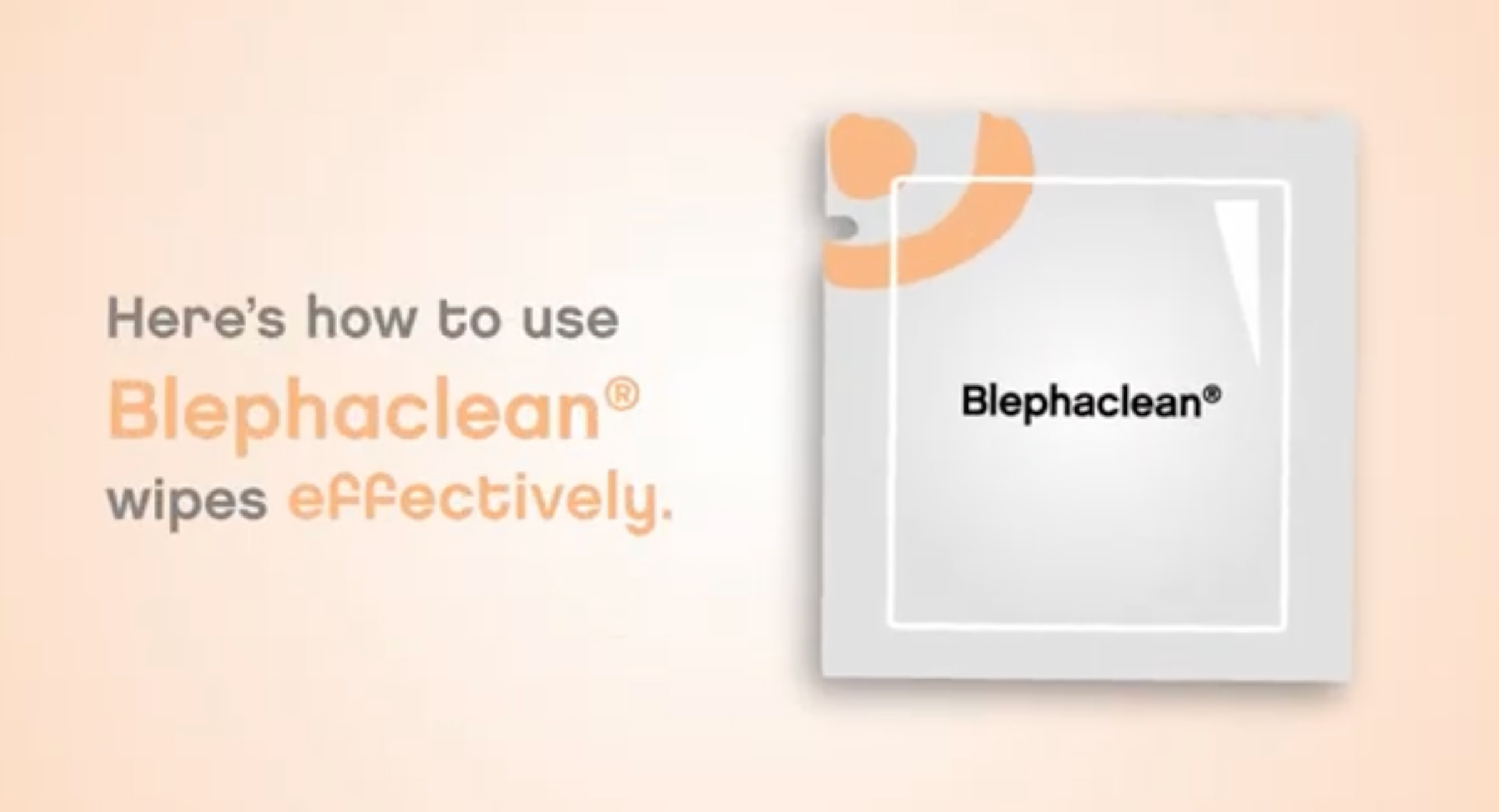
Wrap the wipe around your finger

Gently clean lids with circular movements to remove any debris or dirt

Reduction in microbial load on eyelid following lid hygiene with BlephaClean®*
n=45- BlephaClean® treated eyelids
- Untreated eyelids
*p<0.0001 between treated and untreated
Adapted from Peral et al. (2016)†1
†Taken from a single-centre, prospective, singe-blind Phase IV study in forty five adult patients who were scheduled for ocular surgery.
BlephaClean® reduced bacteria on the eyelid by 63% after 5 days of twice-daily treatment1
Lid hygiene in ocular surface disease goes beyond dry eyes
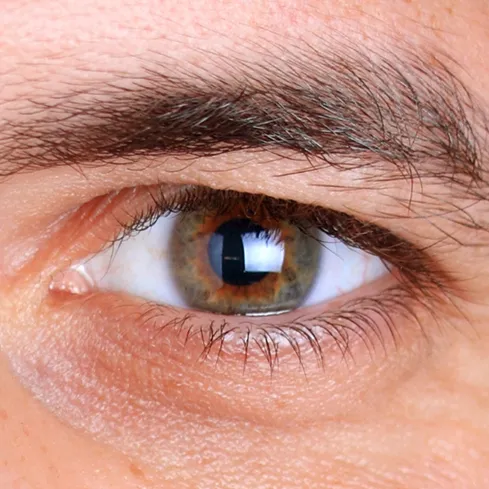
Healthy eye
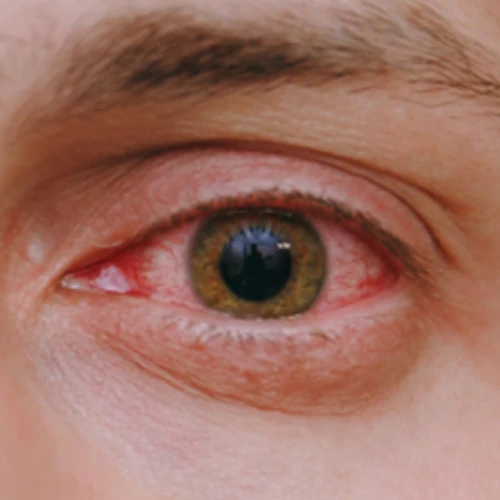
Red eye
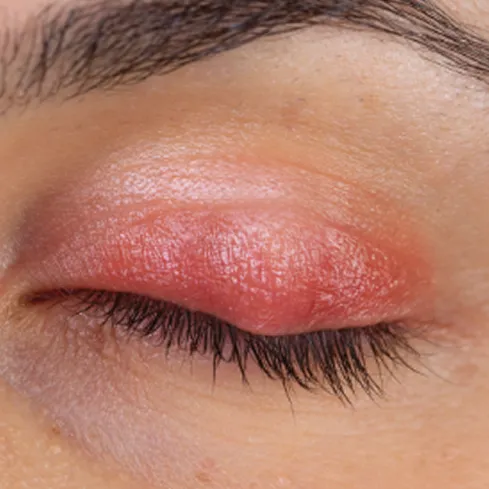
Chalazion
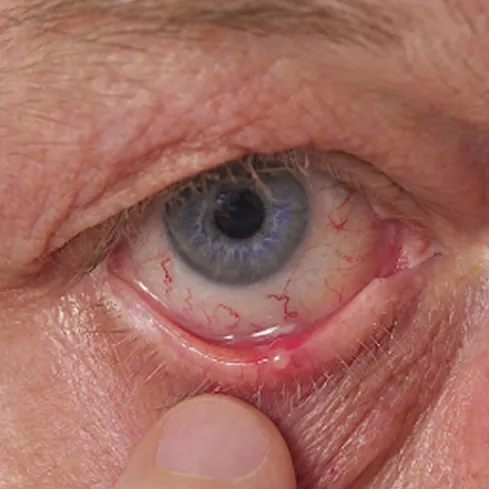
Stye
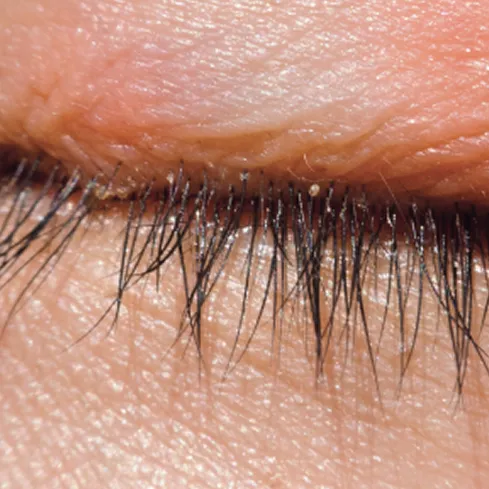
Blepharitis
Lack of lid hygiene can result in:2
- Microbial overgrowth
- Thickening and accumulation of meibomian secretions
- Accumulation of dead skin cells
- Inflammation of the eyelid
This can lead to:
- Blepharitis
- Meibomian gland disease
- Dry eye
- Infectious conjunctivitis
- Chalazions
- Styes
Lid hygiene is also important:1
- Before and after surgery
- When allergies affect the eyes
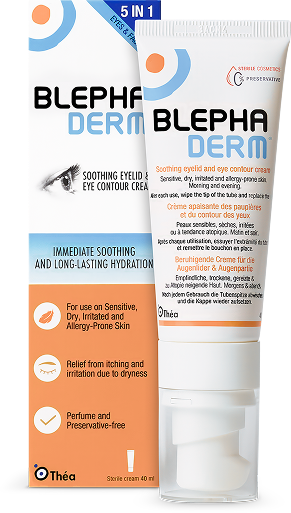
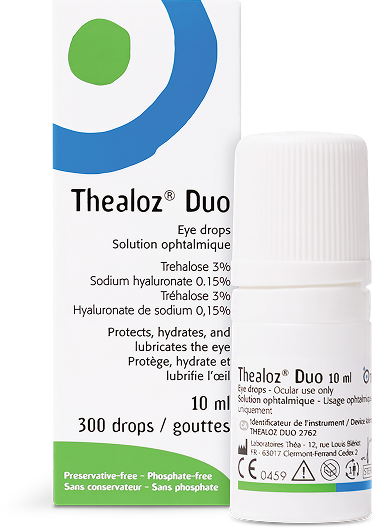
Combined power to manage your dry eyes

Have questions about whether this product is right for you?
- *Per Medical Devices Active License Listing, May 2024.
References:
- Peral A, et al. Importance of lid hygiene before ocular surgery: Qualitative and quantitative analysis of eyelid and conjunctiva microbiota. Eye & Contact Lens.
- Zhang L, et al. Eyelid cleaning: Methods, tools, and clinical applications. Indian J Ophthalmol. 2023;71(12):3607–3614.